Introduction
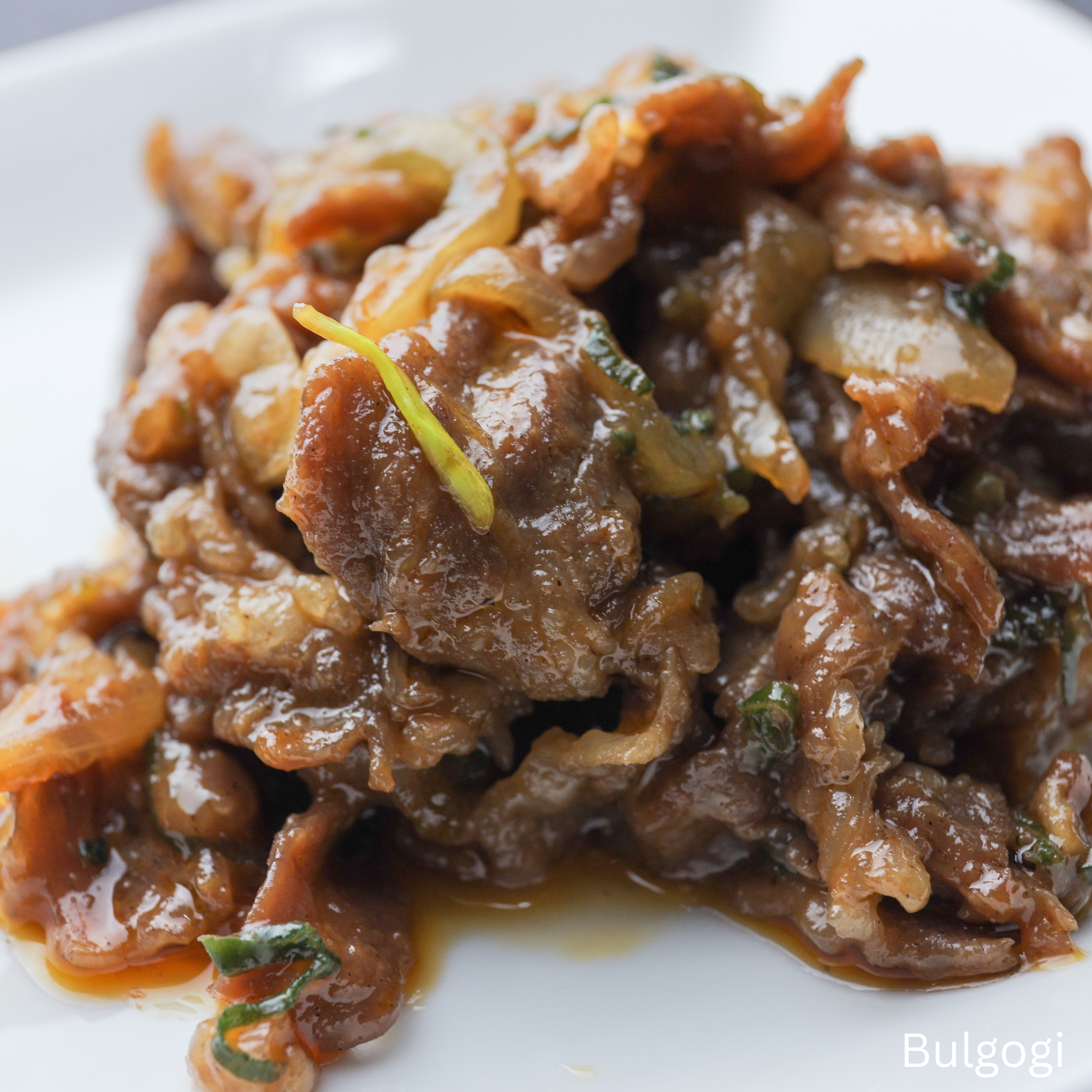
Bulgogi (불고기), literally meaning “fire meat,” is one of the most beloved Korean dishes worldwide. Known for its tender slices of beef marinated in a harmonious blend of soy sauce, sugar, sesame oil, garlic, and pear, bulgogi is grilled or pan-cooked to perfection. Its flavor is at once savory, sweet, and smoky—making it universally appealing and a perfect gateway dish into Korean cuisine.
In this blog post, we will explore the rich cultural and historical roots of bulgogi, share stories of its place in modern Korean identity, provide a detailed recipe, and give you a comprehensive guide to cooking, sourcing ingredients, and adapting the dish for health-conscious eaters, especially those in their fifties and beyond. By the end, you’ll feel equipped to bring the authentic flavors of Korea into your own kitchen.
Cultural & Historical Background
Bulgogi has its roots in Korea’s Goguryeo era; the dish was originally called maekjeok, meat skewered over fire.
During the Joseon dynasty, the name neobiani was used — referring to meat arranged in thin slices and grilled for nobility.
Over time, it became democratized: common households with access to beef or occasionally pork and marinades would make it, especially in Seoul and other cities.
Regional variations exist (type of meat, sweetness, fruit used in the marinade, cooking style). In modern Korean culture, bulgogi is a symbol of Korean BBQ globally, showing up in restaurants, home cooking, and fusion dishes.
Anecdote / Public Figure Story
One popular anecdote is that many K-pop stars and Korean celebrities say bulgogi is their go-to comfort food when overseas. For example, when asked in interviews what Korean food they miss the most, bulgogi often comes up: not just for its taste, but because it reminds them of home, family meals, and the smells cooking in the kitchen.
Also, there are food shows and travelogues which explore the ‘best bulgogi’ in Korea—something that always excites viewers because despite being so familiar it can vary in subtle but important ways (marinade recipe, cut of meat, grilling vs pan-frying).
Ingredients with Measurements
For 4 servings:
- 1 ½ pounds (700g) beef ribeye or sirloin, thinly sliced
- ½ medium Korean pear (or ½ ripe Bosc pear), grated
- ½ medium onion, grated
- 4 tbsp soy sauce
- 2 tbsp brown sugar
- 1 tbsp honey
- 2 tbsp sesame oil
- 3 cloves garlic, minced
- ½ tsp ground black pepper
- 2 stalks green onions, chopped
- 1 tbsp toasted sesame seeds
Optional:
- ½ carrot, julienned
- Mushrooms (shiitake or button), sliced
Step-by-Step Preparation
- Slice the Beef – Freeze beef for 30 minutes to firm it slightly, then slice thinly across the grain.
- Make the Marinade – In a large bowl, combine grated pear, grated onion, soy sauce, sugar, honey, sesame oil, garlic, and pepper.
- Marinate the Beef – Add sliced beef and mix well, ensuring every piece is coated. Add green onions, carrots, and mushrooms if using. Cover and refrigerate for at least 30 minutes (ideally 2–4 hours).
- Cook the Bulgogi:
- Grilling: Cook on a hot grill for 2–3 minutes per side.
- Stovetop: Heat a skillet over medium-high heat, add beef and marinade, and cook until beef is browned and sauce reduces.
- Garnish & Serve – Sprinkle with sesame seeds and serve with rice, lettuce wraps, or kimchi.
Kitchen Tools & Equipment
- Sharp chef’s knife (for slicing beef thinly)
- Mixing bowl
- Grater (for pear and onion)
- Skillet, grill pan, or outdoor grill
- Tongs or chopsticks
Health Benefits (Especially for 50+)
Bulgogi is not only delicious but also nutritionally beneficial:
- High-quality protein: Essential for muscle maintenance and repair, especially as muscle mass declines with age.
- Garlic & onions: Support cardiovascular health and boost immunity.
- Pear enzymes: Aid digestion and tenderize beef naturally.
- Sesame seeds & oil: Provide healthy fats and antioxidants beneficial for heart health.
For people in their fifties and beyond, bulgogi offers a balanced combination of lean protein, fiber (when paired with vegetables), and beneficial micronutrients.
Ingredient Guide & Where to Buy
Finding authentic Korean ingredients in the U.S. is easier than ever:
- Beef Ribeye or Sirloin
- Korean Pears – Seasonal; buy at H-Mart
- Soy Sauce – Amazon.
- Sesame Oil – Amazon
- Sesame Seeds – Amazon.
- Kimchi Pairing
Healthy Variations
- Lower-sodium version: Use low-sodium soy sauce.
- Sugar-free: Replace sugar with monk fruit sweetener.
- Lean protein alternative: Substitute chicken breast or pork tenderloin.
- Vegetarian bulgogi: Use mushrooms or tofu instead of beef.
Cooking Tips & Regional Variations
- Regional Variations: Northern Korea often uses lighter seasoning with less sweetness, while southern styles emphasize stronger flavors.
- Cooking Tip: Do not overcrowd the pan—cook beef in batches for best browning.
- Charcoal grilling adds authentic smoky depth.
Serving & Pairing Suggestions
- Serve with steamed white rice, kimchi, and lettuce leaves for wraps (ssam).
- Pair with Korean side dishes (banchan) like pickled radish and spinach namul.
- Drinks: Pair with Korean soju or a light beer; for non-alcoholic, try barley tea (bori-cha).
Quick & Convenient Version Recipe
If you’re short on time:
- Use pre-sliced beef labeled “bulgogi meat” from H-Mart.
- Skip grating pear and use 2 tbsp apple juice instead.
- Marinate for just 15 minutes.
- Cook everything in one skillet.
This version cuts preparation time to under 30 minutes while still delivering rich flavor.
Conclusion
Bulgogi is more than just marinated beef—it’s a culinary bridge that connects Korean tradition with modern global tastes. Its balance of sweet, savory, and smoky flavors makes it universally loved, while its adaptability ensures that anyone, regardless of dietary preferences, can enjoy it.
Whether you’re hosting a dinner party, preparing a nutritious weeknight meal, or exploring Korean cuisine for the first time, bulgogi is a dish that promises satisfaction, warmth, and cultural richness. Now that you have the recipe, ingredient sources, and health-focused variations, it’s time to fire up your pan or grill and enjoy the irresistible taste of Korea’s fire meat.