
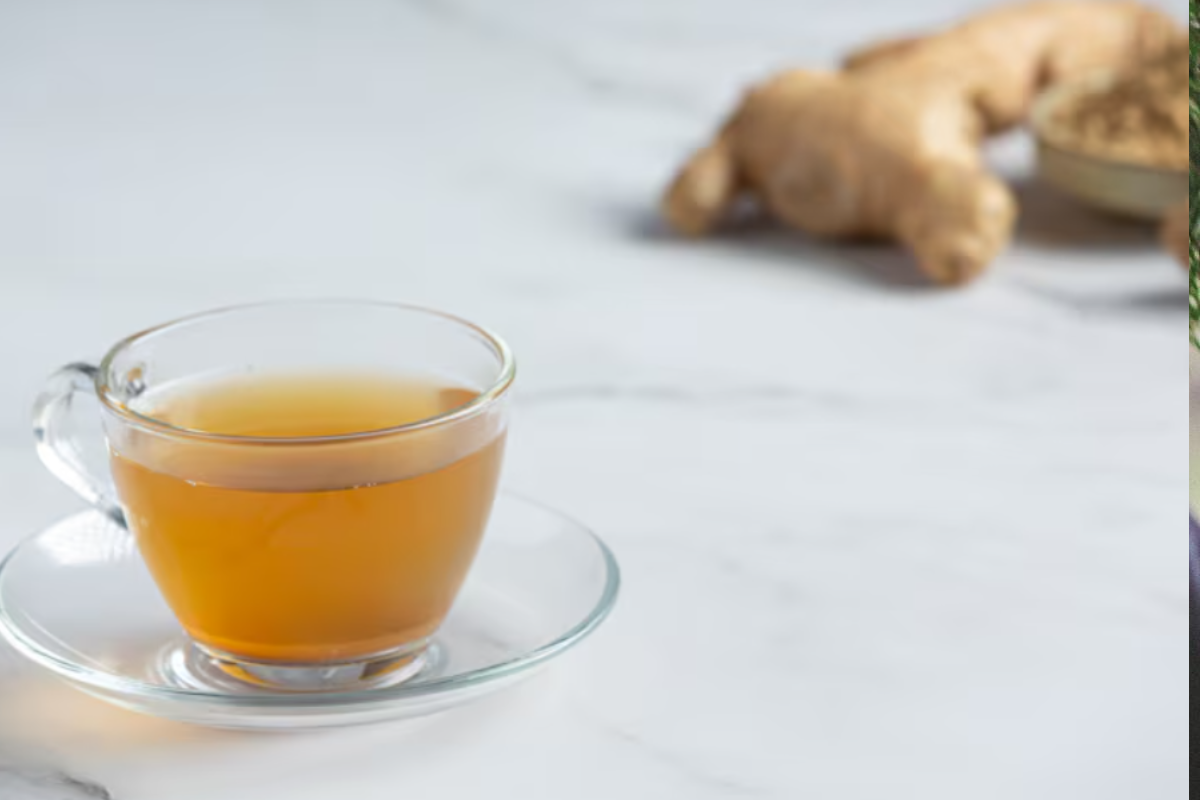
Korean Ginseng Tea
Intro:For centuries, Koreans have relied on ginseng tea to fight fatigue and boost vitality. For people over 50,

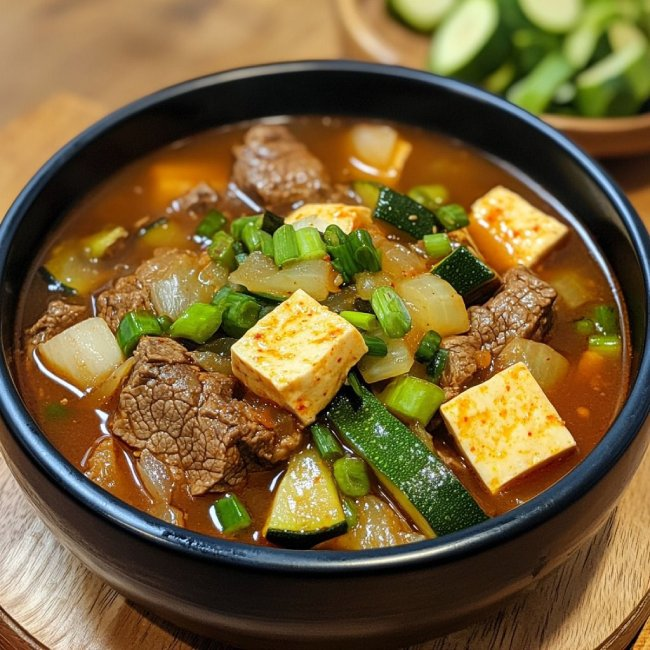
Doenjang jjigae is a hearty Korean soybean paste stew with tofu, vegetables, and umami-rich broth, comforting, healthy, and deeply traditional.
There are certain foods that feel less like recipes and more like family members. For Koreans, 된장찌개 (Doenjang Jjigae) belongs in that category. Translating simply as “soybean paste stew,” doenjang jjigae is far more than the sum of its parts. At first glance, it looks humble: a pot of broth simmering with vegetables, tofu, and fermented soybean paste. But behind its simplicity lies centuries of tradition, nourishment, and cultural identity.
This dish is not flashy. It doesn’t arrive at the table with sizzling theatrics like bulgogi, nor does it carry the bold red spice of kimchi jjigae. Instead, doenjang jjigae is earthy, grounding, and deeply familiar. It’s the kind of food Koreans grow up with — the stew that’s present at weekday dinners, weekend family gatherings, and even quick office lunches. If kimchi is the heartbeat of Korean cuisine, doenjang jjigae might be its soul.
For many Koreans, a spoonful of steaming doenjang jjigae with a bite of rice is not just nourishment but memory. It recalls the countryside kitchens where grandmothers stirred heavy clay pots, the bustling Seoul restaurants where salary workers slurped it alongside grilled fish, and even modern apartments where busy parents rely on it as a quick, nutritious meal.
Today, doenjang jjigae has become an ambassador for Korean food worldwide. For people in their fifties and beyond — especially those seeking wholesome meals that balance flavor and health — this stew offers probiotics for gut health, antioxidants for longevity, and a comforting reminder that good food doesn’t need to be complicated.
Doenjang, the star ingredient of this stew, has roots that stretch back thousands of years. Derived from soybeans, doenjang is a fermented paste created through a process that requires patience, skill, and respect for nature. The making of doenjang begins with meju — blocks of boiled soybeans that are mashed, shaped, and left to ferment with the help of microbes and time. Hung in homes through the cold Korean winter, meju bricks absorb the air’s natural bacteria. In spring, they are soaked in salt brine, aged, and eventually separated into soy sauce (ganjang) and soybean paste (doenjang).
This dual birth — one process yielding two essential condiments — reflects the resourcefulness of traditional Korean cooking. For centuries, doenjang was prized not only for its flavor but also for its health properties. Long before probiotics became a buzzword, Koreans understood that fermented foods supported digestion and resilience.
Doenjang jjigae itself likely emerged as a natural way to stretch ingredients. Farmers and villagers could transform a small spoonful of doenjang into a hearty meal by adding seasonal vegetables, wild greens, or leftover scraps of meat. Because of its flexibility, the stew became a daily staple across the peninsula. In fact, it was so common that it was once considered “poor man’s food” — simple, rustic, unadorned. Yet over time, its very ordinariness made it extraordinary, embedding it deeply into the national psyche.
The dish also has symbolic significance. In the Joseon dynasty, it was believed that the quality of a household’s doenjang reflected the character of the family itself. Visitors would often taste a spoonful of doenjang jjigae as a way to judge not just the food but the home’s values of care, patience, and harmony with nature.
Regional variations developed as well. In Jeolla province, cooks often enrich the stew with shellfish like clams, adding briny depth. In Gyeongsang, the flavor tends to be bolder and saltier, matching the region’s more fiery culinary traditions. Seoul families might keep it milder, focusing on tofu and vegetables. No matter the variation, the heart of the dish remains the same: a celebration of doenjang’s earthy, umami-rich essence.
Even today, in the fast-paced world of instant noodles and delivery apps, doenjang jjigae holds its place. It is one of the few dishes that spans generations seamlessly. Grandparents see it as comfort, young adults see it as budget-friendly nourishment, and health-conscious modern eaters recognize it as a superfood-laden stew.
Food isn’t only about taste — it’s about memory, association, and even identity. For Koreans, doenjang jjigae carries a deep emotional weight, and it often appears in popular culture as shorthand for “home.”
Many K-dramas use doenjang jjigae in family dining scenes. When a character returns from overseas or after a long day of struggles, a simple pot of steaming doenjang jjigae on the dinner table signals healing, reconciliation, and belonging. Unlike extravagant dishes such as galbi or royal court cuisine, this stew represents everyday love — the kind of care that doesn’t need to be spoken.
Even public figures and celebrities have referenced it as their favorite comfort dish. Former South Korean president Moon Jae-in once remarked that he preferred doenjang jjigae to Western fine dining, emphasizing that a true Korean meal could be found in the humble soybean stew. In interviews, several K-pop idols have admitted that what they miss most while touring abroad isn’t luxury food but a homemade bowl of doenjang jjigae with rice. That longing for simplicity in the midst of chaos shows just how deeply ingrained the dish is in the Korean psyche.
A popular anecdote comes from Olympic gold medalist figure skater Kim Yuna. During an interview, she shared that after long months of training and international competitions, the food she wanted most upon returning home was doenjang jjigae. For her, the stew symbolized rest, recovery, and grounding. It’s no surprise then that for Koreans living overseas, one of the first dishes they crave — and try to replicate with local substitutes — is doenjang jjigae.
These cultural moments reinforce why this stew isn’t just food but a bridge between generations, geographies, and even identities. Whether you’re a global superstar, a politician, or an ordinary office worker, the comfort of doenjang jjigae speaks the same language: home.
At its core, doenjang jjigae is made with simple, affordable ingredients. Yet each component plays a role in balancing the stew’s earthy, savory, and slightly nutty flavor. Below is a breakdown of traditional ingredients, their purpose, and substitutions you can use outside Korea.
This combination creates a stew that is savory, hearty, and balanced — the perfect everyday dish that can be adjusted based on season, availability, or personal taste.
Cooking doenjang jjigae may seem intimidating if you’re new to Korean food, but once you understand the basic method, it becomes second nature. The beauty of this stew is its flexibility — you can adjust the saltiness, spiciness, and richness to suit your preferences, and you can add or remove ingredients based on what’s available.
Here’s a detailed step-by-step guide:
Vegetarian option: Replace with a broth made from dried shiitake mushrooms and kelp.
The whole process takes about 25–30 minutes, making it a realistic weekday meal. The longer it simmers, the deeper the flavors become, so don’t be afraid to let it cook low and slow if you have time.
One of the reasons doenjang jjigae feels so comforting is the vessel it’s traditionally cooked in: the ttukbaegi (뚝배기). This black earthenware pot is more than just cookware — it’s part of the dining experience.
While authentic tools elevate the experience, don’t feel discouraged if you don’t have a ttukbaegi. What matters most is the balance of broth, paste, and fresh ingredients. With just a pot and a stove, you can capture the essence of doenjang jjigae in any kitchen.
Doenjang jjigae isn’t just delicious — it’s deeply nourishing. The key ingredient, doenjang (fermented soybean paste), is a nutritional powerhouse that Koreans have relied on for centuries. Modern science confirms what tradition long suspected: doenjang supports longevity, digestion, and overall wellness.
Because doenjang is fermented, it contains beneficial bacteria that support gut health. A healthy gut microbiome is linked to stronger immunity, better mood regulation, and improved nutrient absorption.
Soybeans are one of the richest plant-based protein sources. Even in a small serving of stew, tofu and doenjang contribute to protein intake without relying on heavy meats.
Doenjang contains isoflavones and peptides that may reduce inflammation. For those in their fifties and beyond — when joint stiffness, cardiovascular issues, and inflammation become more common — a bowl of doenjang jjigae offers both comfort and protection.
The stew also delivers calcium, potassium, and magnesium from vegetables and broth. These support bone density, muscle function, and blood pressure regulation.
Studies suggest that regular consumption of fermented soy products may lower cholesterol and support cardiovascular health. Combined with fiber-rich vegetables, doenjang jjigae becomes a dish that nourishes both body and soul.
As we age, our nutritional needs shift. Diets higher in probiotics, plant-based protein, and anti-inflammatory compounds are linked to better quality of life. Doenjang jjigae checks all these boxes. With minor tweaks — such as lowering sodium or adding more greens — it can be tailored into a longevity-friendly dish for midlife and beyond.
One challenge for international readers is sourcing authentic Korean ingredients. Thankfully, the global popularity of Korean cuisine has made doenjang jjigae accessible almost anywhere.
While traditional doenjang jjigae is already healthy, here are tailored variations for readers in their fifties and beyond:
Doenjang jjigae may seem straightforward, but small tweaks can dramatically shift its flavor.
Each household has its own method. Some add pork belly for richness, others keep it strictly vegetable. This flexibility is what makes doenjang jjigae endlessly adaptable.
Doenjang jjigae is rarely eaten alone. In Korean dining culture, it’s part of a wider spread that balances flavors and textures.
For many Western readers, preparing anchovy broth, sourcing multiple Korean vegetables, and managing a bubbling clay pot can feel overwhelming. The good news is: doenjang jjigae can be simplified without losing its comforting essence. Think of this as the “weekday shortcut version.”
Lorem ipsum dolor sit amet, consectetuer adipiscing elit, sed diam nonummy nibh euismod tincidunt ut laoreet dolore magna aliquam erat volutpat.
Intro:For centuries, Koreans have relied on ginseng tea to fight fatigue and boost vitality. For people over 50,
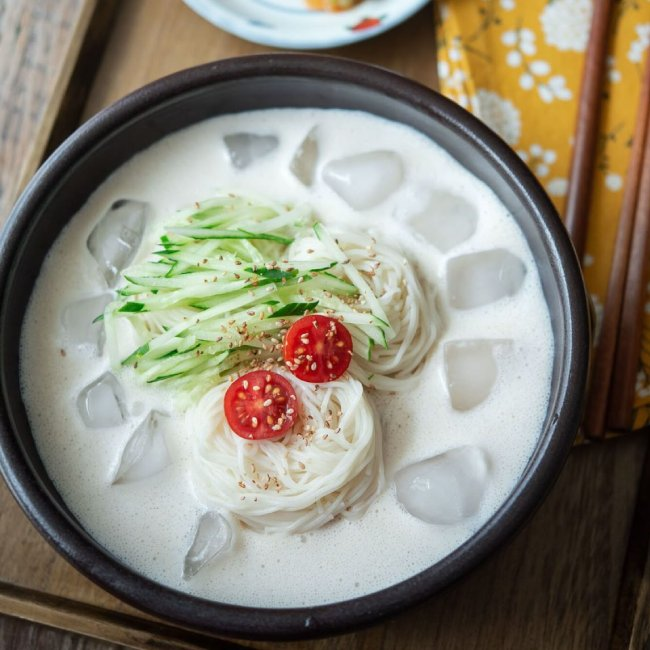
Kongguksu is a summer dish made from pureed soybeans and noodles. It’s light, refreshing, and excellent for heart
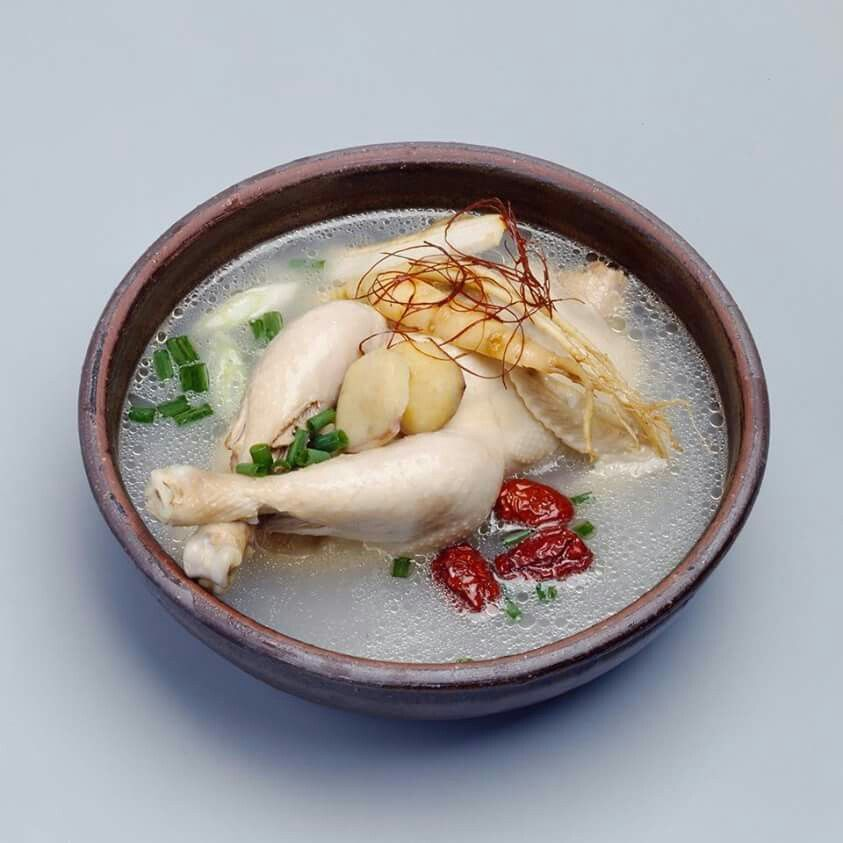
Samgyetang is a traditional Korean soup made with a whole chicken, ginseng, and medicinal herbs. It is known
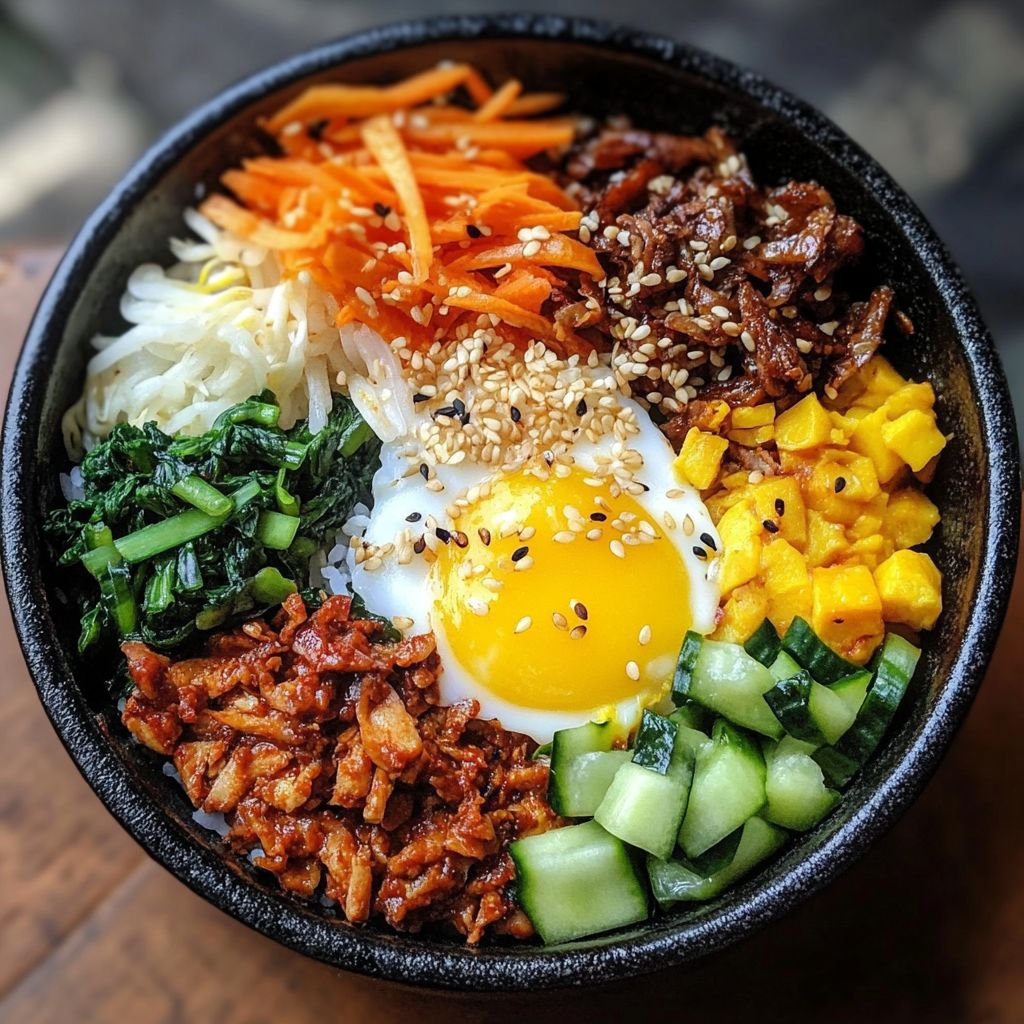
Introduction:Bibimbap is a colorful rice bowl topped with assorted vegetables, lean protein, and a fried egg. It is
The web server is not returning a connection. As a result, the web page is not displaying.
Please try again in a few minutes.
Contact your hosting provider letting them know your web server is not responding. Additional troubleshooting information.
Cloudflare Ray ID: a19e53effb57db4b • Your IP: 50.87.186.64 • Performance & security by Cloudflare
1 thought on “Doenjang Jjigae”
This looks delicious. I would like to give this recipe a try.
Comments are closed.