Introduction
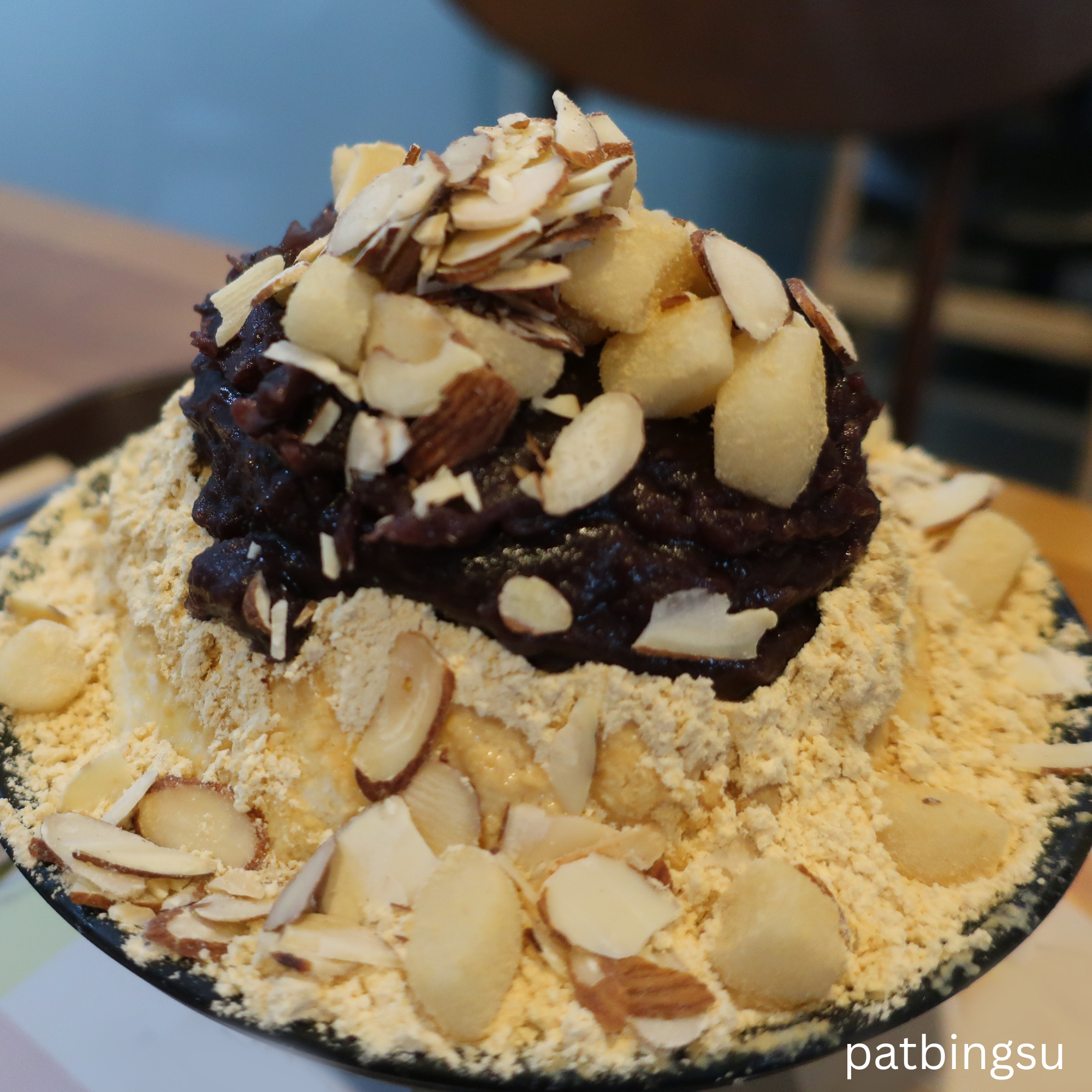
Patbingsu (팥빙수), literally “red bean shaved ice,” is one of Korea’s most iconic summer desserts. At first glance, it looks like a towering mountain of shaved ice covered in colorful toppings. But behind the sweetness lies a fascinating history of adaptation, health-conscious upgrades, and cultural meaning.
For Koreans, patbingsu is more than a dessert. It’s nostalgia in a bowl — the memory of sticky summer afternoons, childhood laughter, and family outings at local cafés. For travelers and food lovers worldwide, it’s a refreshing introduction to the creativity of Korean food culture.
In this guide, we’ll explore the origins of patbingsu, its rise in popularity, and how to make it at home with both traditional and modern twists. You’ll also discover healthy variations perfect for readers in their fifties and beyond, plus convenient ways to recreate this frozen delight with easy-to-find ingredients in the U.S.
Cultural & Historical Background
Patbingsu traces its roots back to the Joseon dynasty (14th–19th centuries) when government officials stored ice in underground pits (called binggo) to preserve food and make cold treats during sweltering summers. These icy treasures were shaved and served with sweet toppings, often reserved for the wealthy and royal households.
The dessert as we know it today — shaved ice topped with sweetened red beans (pat), condensed milk, fruits, and rice cakes — became widespread during the 20th century. In post-war Korea, sweet red bean paste was an affordable luxury, and patbingsu became a symbol of indulgence during hot summers.
By the 1990s and 2000s, café culture transformed patbingsu into a modern dessert canvas. Today, you’ll find endless variations: matcha bingsu, mango cheesecake bingsu, coffee bingsu, and even premium versions topped with gelato and macarons.
It’s not just a dessert; it’s a social ritual. Families share large bowls at dessert cafés, teenagers enjoy it as an after-school treat, and tourists flock to try it at chains like Sulbing or Paris Baguette.
Anecdote / Public Figure Story
Korean celebrities often mention patbingsu as their ultimate summer craving. For instance, IU (K-pop singer and actress) once shared that patbingsu was her go-to comfort food after long rehearsals. Similarly, popular K-dramas often feature characters bonding over a shared bowl of patbingsu, symbolizing togetherness and refreshment.
One famous story is from 2012, when former South Korean president Lee Myung-bak surprised staffers by serving patbingsu during a cabinet meeting, saying that “a cool head is needed in politics, just like in summer heat.” That simple gesture reflected how deeply patbingsu resonates across generations and contexts.
Ingredients (for 4 servings)
Core Ingredients
- 4 cups shaved ice (made from filtered water or milk for creaminess)
- 1 cup sweetened red bean paste (pat) – Buy on Amazon
- ½ cup condensed milk
- 1 cup fresh fruit (strawberries, kiwi, mango, banana)
- ½ cup tteok (Korean rice cakes, optional) – Buy on Amazon
- ¼ cup toasted almond slices or chopped nuts
- 1 scoop vanilla ice cream (optional) – available in most supermarkets
Optional Flavor Enhancements
- Matcha powder for a green tea twist – Buy on Amazon
- Mochi cubes – Amazon
- Oreo crumbs or chocolate syrup for fusion versions
Step-by-Step Preparation
- Prepare the Shaved Ice
- Use a bingsu machine or a blender with an ice-shaving attachment. For creamier ice, freeze milk and shave that instead of water.
- Layer the Bowl
- Place shaved ice in a large serving bowl.
- Add Sweetness
- Drizzle condensed milk over the ice.
- Top with Red Bean Paste
- Spoon sweetened red bean paste (pat) generously on top.
- Add Fresh Fruits & Nuts
- Arrange sliced fruits, nuts, and rice cakes.
- Finish with Ice Cream (Optional)
- Add a scoop of ice cream or frozen yogurt for indulgence.
- Serve Immediately
- Patbingsu melts quickly — serve with spoons and share!
Kitchen Tools & Equipment
- Bingsu/Shaved Ice Machine – Buy on Amazon
- Large serving bowls
- Long dessert spoons
- Cutting board & knife for fruit prep
- Small scoops for red bean and ice cream
Health Benefits (Especially for Readers 50+)
While patbingsu is often seen as a sweet indulgence, it can be made healthier:
- Hydration Boost – The shaved ice provides a refreshing way to stay hydrated in summer.
- Antioxidants – Red beans are rich in polyphenols, which support heart health.
- Fiber & Digestion – Fresh fruits and beans improve gut health.
- Calcium & Protein – Condensed milk and optional yogurt add bone-strengthening nutrients.
- Low-Guilt Dessert – By controlling toppings (more fruit, less syrup), patbingsu can be adapted into a light, nutrient-packed treat.
For people in their fifties and beyond, swapping refined sugar syrups with fresh fruit puree or using Greek yogurt instead of ice cream makes patbingsu both refreshing and functional.
Healthy Variations
- Diabetic-Friendly – Use monk fruit sweetener instead of condensed milk.
- High-Protein – Replace ice cream with Greek yogurt.
- Fruit-Only Bingsu – Skip beans and condensed milk; top ice with fresh fruit puree.
- Green Tea Bingsu – Add matcha powder and sweet azuki beans.
- Tropical Bingsu – Use mango, pineapple, and coconut flakes.
Cooking Tips & Regional Variations
- Traditional Patbingsu – Red beans, condensed milk, and rice cakes.
- Seoul Style – Adds more fruits and ice cream.
- Jeju Island Style – Uses local citrus and green tea flavors.
- Modern Café Style – Cheesecake cubes, macarons, even tiramisu toppings.
Serving & Pairing Suggestions
- Pair with barley tea (boricha) – cooling and caffeine-free.
- Serve alongside hotteok (sweet pancakes) for a warm-and-cold contrast.
- Perfect after a Korean BBQ meal as a refreshing dessert.
Quick & Convenient Version Recipe
For readers who want patbingsu without special equipment:
Ingredients (serves 2):
- 2 cups crushed ice (from blender or ice cubes in a ziplock, pounded with a rolling pin)
- ½ cup canned sweet red beans – H-Mart
- ¼ cup condensed milk
- 1 cup fresh fruit (banana, berries, or mango)
Method:
- Place crushed ice in a bowl.
- Drizzle with condensed milk.
- Add red beans and fruit.
- Serve immediately with spoons.
Conclusion
Patbingsu is more than just a dessert — it’s a cultural symbol of togetherness, a refreshing escape from summer heat, and a flexible dish you can tailor to your lifestyle. Whether you enjoy it in a Seoul café with friends or make a simple version at home, patbingsu carries the joy of summer in every spoonful.